
Water and Wastewater Cybersecurity
Security Essentials for Water Facilities
As water and wastewater facilities increasingly rely on digital infrastructures, cybersecurity has become as essential as the water we drink. With the evolution of sophisticated cyber threats, defending these infrastructures is no mere luxury but an imperative. These facilities play a critical role in our communities, and the necessity for robust security measures cannot be overemphasized. In this article, we at upStream AI delve into the technical intricacies of security essentials for water facilities, providing a comprehensive blueprint for safeguarding our precious and life-sustaining resources from the unseen dangers of the digital age.
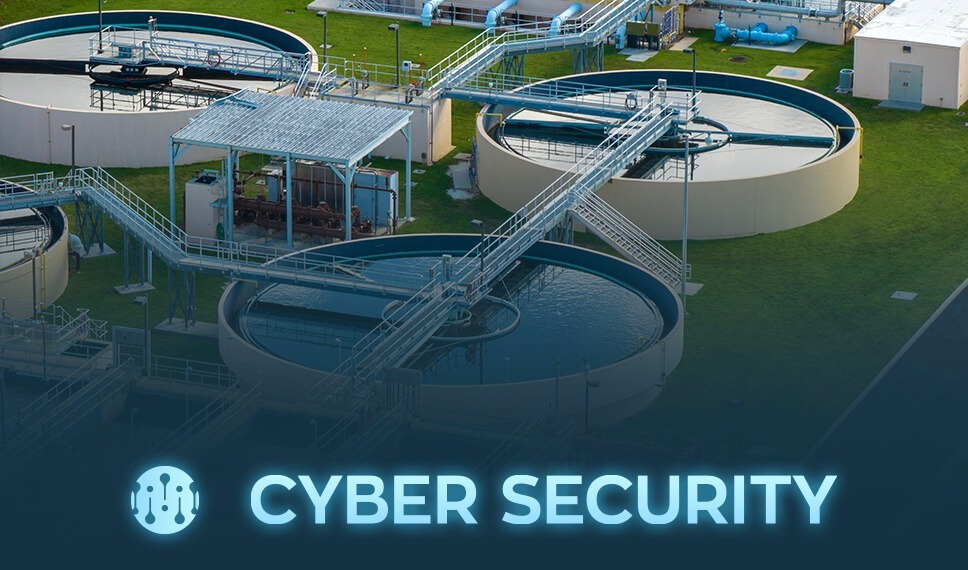
Understanding Water and Wastewater Cybersecurity Challenges
Safeguarding Our Water
In water sector management, ensuring the security of our water facilities has become more critical than ever. Cybersecurity in this sector is no longer just a matter of regulatory compliance but a fundamental aspect of environmental and public health. With the increasing complexity of water and wastewater systems, we must recognize the need for robust cyber protections. The safety and sustainability of our communities depend on it.
Building Resilience
To address the security challenges that arise, it is essential to implement layers of defenses that can thwart potential threats and maintain the reliability of these crucial services. A resilient cybersecurity framework is vital to ensuring that water facilities can detect, respond to, and recover from cyber incidents.
Proactive Protection
Given the rise in cyber-attacks, organizations in the water sector must integrate security practices into all operations. This involves creating a culture where security is woven into the fabric of daily routines. By leveraging platforms like upStream AI, predictive analytics and threat intelligence can be used to stay ahead of potential breaches. This way, security isn’t just a protocol—it’s a promise to safeguard one of our most precious environmental resources from advanced cyber threats.
Cybersecurity Strategies for Water Facilities
With the escalating cyber-attack threats targeting water and wastewater infrastructure, robust cybersecurity measures have become indispensable. Truly, water facilities must prioritize security to safeguard vital community resources from the malevolent intentions of cybercriminals. It’s paramount that water facilities understand the sophistication of these cyber threats and adopt a multi-layered security approach. Such an approach doesn’t just address immediate vulnerabilities but also fortifies systems against future intrusions. By doing so, they’re not just preventing a potential cyberattack but protecting public health and the environment.
To effectively tackle the cybersecurity challenges that water facilities face, it’s crucial to implement continuous monitoring of network activities to detect anomalies indicating a potential security breach. This proactive stance allows facilities to respond swiftly to security incidents, minimizing their impact. Building resilience into the network design of water and wastewater infrastructure ensures that even if a cyberattack occurs, the system can recover quickly, maintaining the uninterrupted supply of clean water—a critical service.
Transparent information sharing concerning threats and vulnerabilities among water facilities encourages a collective defense strategy. This collaboration spreads beyond individual facilities, incorporating state and federal support to build a formidable defense against those who look to exploit security weaknesses. It’s clear that upholding the highest cybersecurity standards in water and wastewater management is not just a responsibility—it’s an unequivocal necessity in the continued fight against cyber threats.
The Integral Role of Security in Wastewater Management
Defending Our Waters
In the vital arena of wastewater management, security isn’t a luxury—it’s a necessity. Our environmental well-being hinges on the robustness of water and wastewater infrastructure against escalating cyber threats. As we delve deeper into the interconnected world of cyber technology, the intricacies of cybersecurity in the context of wastewater become readily apparent. Ensuring the uninterrupted operation of wastewater facilities stands as a bulwark against potential environmental crises. Cybersecurity measures are essential to safeguard the sensitive data and control systems that manage our precious water resources.

Cybersecurity Imperatives
As information technology becomes more ingrained in water and wastewater operations, the surface for cyber attacks expands. Proactive cybersecurity strategies for water facilities are not just recommended; they’re imperative. The sustainability of our community’s water supply depends on the tireless vigilance against cyber threats. While cybersecurity in wastewater management may once have been a peripheral concern, it now occupies a central role. It’s clear that security measures must be woven into the fabric of environmental protection to ensure the resilience and reliability of critical water infrastructure.
Securing the Flow
From intrusion detection to response planning, the goal of cybersecurity in the realm of wastewater is to maintain a seamless and secure workflow. As experts in cybersecurity, we at upStream AI understand this intersection of cyber protection and wastewater security. We are dedicated to equipping water facilities with the knowledge and tools to thwart risks—because compromise isn’t an option when it comes to our environment and public health.
Implementing Robust Cyber Protections in the Water Sector
Guarding Our Lifelines
In the vital realm of the water sector, implementing robust cyber protections is not just a matter of regulatory compliance but a cornerstone of national environmental and public health. As we navigate the complexities of water and wastewater systems, we must recognize that cybersecurity is as crucial as the physical integrity of our water facilities. It’s not an overstatement to say that cybersecurity in this sector underpins the safety and sustainability of our communities. Addressing security challenges head-on with layers of defenses can thwart potential threats and maintain the reliability of these essential services. A resilient cybersecurity framework ensures that water facilities can detect, respond to, and recover from cyber incidents.
Securing Our Waters
Within cybersecurity for water and wastewater management, the importance of a fortified security posture cannot be understated. With cyber-attacks on the rise, providing a safe environment involves integrating security practices into all operations. It’s about creating a culture where security is woven into the fabric of daily routines. Leveraging the expertise of platforms like upStream AI, organizations in the water sector can use predictive analytics and threat intelligence to stay ahead of potential breaches. In this way, security isn’t just a protocol—it’s a promise to protect one of our most precious environmental resources from advanced cyber threats.


Wastewater Cybersecurity
In cybersecurity, protecting water and wastewater facilities is an increasingly critical consideration, with potential cyber-attacks posing significant threats to our environmental safety and public health. It’s crucial to recognize that wastewater cybersecurity isn’t just about safeguarding data but ensuring the continuity of essential services that uphold societal welfare. Innovative solutions such as those provided by upStream AI ensure these systems remain robust and impenetrable to cyber threats. As we delve further into the intricacies of wastewater cybersecurity, it becomes apparent that security isn’t a one-time checkbox but an ongoing, adaptive process. Experts can design comprehensive defense strategies by understanding the unique challenges of water and wastewater cybersecurity—where operational technology and information technology converge. These strategies encompass state-of-the-art encryption and firewalls, personnel training, and rigorous security protocols.
Moreover, the integral role of security in wastewater management cannot be overstated, as it is fundamental to maintaining trust and functionality in the face of potential cyber dangers. As we implement robust cyber protections in the water sector, we safeguard our environment and ensure the unhindered operation of wastewater facilities, thus preserving the sanctity of this critical infrastructure against cyber perils. Security, therefore, becomes synonymous with resilience, propelling us toward a safer and more secure future.

Reducing Risks
Cybersecurity Measures for Wastewater Treatment
Reducing risks through comprehensive cybersecurity measures is imperative in water and wastewater management to safeguard our environmental resources. The intricacies of wastewater treatment processes necessitate a fortified defense against the increasing threats of cyber attacks. By adopting robust cybersecurity protocols, water facilities can ensure their operations remain secure and resilient. Implementing a multi-layered approach to cybersecurity in the wastewater sector is not just a matter of compliance; it’s a commitment to community health and ecosystem preservation.
Protection begins with an acute awareness of the specific challenges that water and wastewater infrastructures face. Tailored cybersecurity strategies for water facilities are pivotal, involving both technological advancements and skillful personnel training. As part of our mission here at upStream AI, we advocate for integrating cutting-edge analytical tools that enhance potential cyber threats’ detection and response capabilities. Every aspect of wastewater cybersecurity must be meticulously examined and fortified, from data management to operational technology.
Security in wastewater management is crucial for mitigating risks and maintaining uninterrupted service to the public. By implementing the recommended cybersecurity measures that resonate with the expertise required in the field, water and wastewater facilities stand better protected. The goal is clear: secure the water sector against cyber adversity and ensure a resilient environmental infrastructure for future generations.
Environmental Security
Safeguarding Water Infrastructures
In environmental security, safeguarding our water infrastructures represents a critical juncture where the urgency of cybersecurity intersects with the sanctity of our natural resources. As experts in the field, we at upStream AI comprehend that protecting water and wastewater systems is an imperative facet of environmental security. Addressing the risks that occur in our water infrastructures demands a multidimensional approach. Both sophisticated and nascent cyber threats constantly challenge the sustained operation of these essential services. Cybersecurity measures tailored to the unique characteristics of water facilities are no longer a luxury but a necessity. These water facilities are fortified through cybersecurity strategies, not just against potential disruptions, but as part of a holistic security posture that intertwines with environmental stewardship. The integrity of environmental security hinges on robust cyber protections, particularly in the water sector. As we delve deep into the nuances of environmental, security, and cyber dimensions, it’s clear that cybersecurity is the stalwart guard of our water resources. Our dedication at upStream AI is unwavering in implementing these security solutions specifically designed to preserve and protect. By reducing risks through comprehensive cybersecurity measures for wastewater treatment, we defend against cyber threats and ensure the perennial flow of clean, safe water for all.
Tackling Cyber Threats to Ensure Water Safety and Security
Guarding Our Lifelines
In today’s interconnected world, cyber threats loom large over the essential services that sustain life, none more critical than our water and wastewater systems. Maintaining water safety and environmental security isn’t just about treating what flows through our pipes; it’s equally about safeguarding these vital systems from cyberattacks. As a cybersecurity expert, I’m particularly keen on implementing cybersecurity measures tailored to the unique needs of the water sector. Cybersecurity strategies, when effectively integrated into water facilities, ensure uninterrupted service and protection of public health.
Securing Water Systems
Understanding the cybersecurity challenges that plague water and wastewater infrastructures is the first step toward building a resilient defense. The complexity of these systems demands a comprehensive approach to security. From cyber to physical threats, every potential vulnerability must be addressed. A proactive posture is essential, involving continuous monitoring and rapid response capabilities to mitigate any attempted cyberattack. Environmental security also intersects with cybersecurity, ensuring that the water systems integral to our ecosystem remain uncompromised.
Fortifying Infrastructure
By implementing robust cyber protections, water facilities can significantly reduce risks. This encompasses safeguarding sensitive data and ensuring the operational integrity of the treatment systems. Cybersecurity is not just a technical issue but a cornerstone of modern environmental and water safety. Wastewater cybersecurity is no longer a niche concern but a mainstream priority, fostering a secure foundation for our community’s well-being and the health of our environment.
upStreamAI
In today’s ever-evolving technological landscape, robust cybersecurity measures are paramount. Given its complex interconnected systems, it is particularly crucial for water and wastewater management. With the emergence of upStream AI and advanced security protocols, water facilities have an exceptional opportunity to strengthen their defenses against cyber threats.
Integrating these cutting-edge technologies is a precaution and a crucial investment in public health, safety, and confidence. By prioritizing vigilance and innovation in cybersecurity, we can ensure a resilient water infrastructure that safeguards our most vital resource for future generations. In doing so, we can provide a level of assurance and peace of mind to the public that is of utmost importance.